

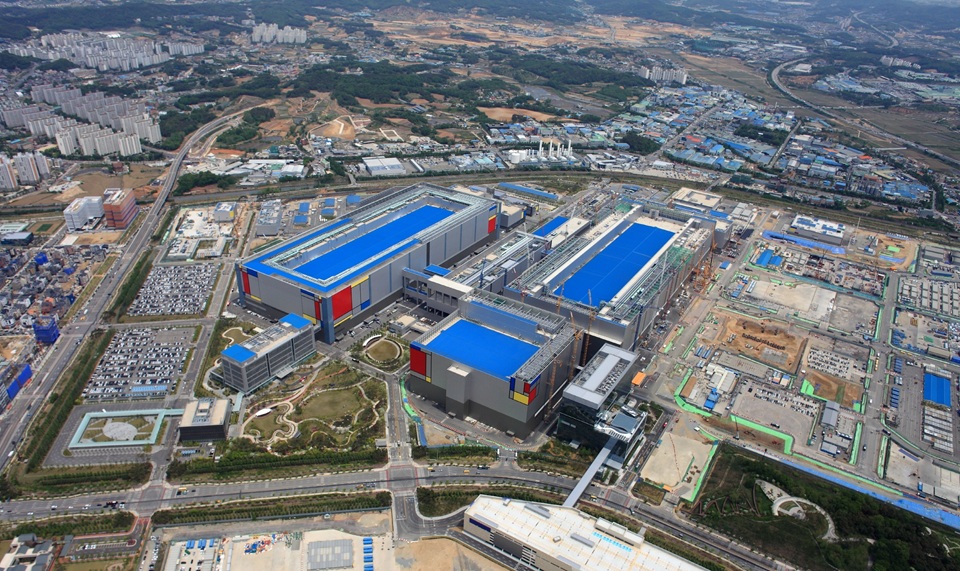
지난 2월 한국의 산업생산이 전달보다 2.5% 증가하며 5년 8개월 만에 가장 큰 폭의 증가를 기록했다. 반도체 생산이 28.2% 급증하며 전체 생산 증가를 이끌었고, 설비투자와 건설 부문도 동반 반등하며 경기 지표가 전반적으로 개선됐다.
Industrial output in February rose 2.5% from the previous month, marking the biggest increase in five years and eight months.
A 28.2% surge in semiconductor production led the overall growth, while rebounds in facility investment and construction improved overall economic indicators.
국가데이터처가 31일 이같은 내용을 담은 ‘2월 산업활동동향’을 발표했다. The Ministry of Data and Statistics on March 31 released a report on February industrial activity trends containing these findings.
보고서에 따르면 광공업 생산이 5.4% 늘며 생산지수(117.9)가 역대 최고치를 기록했다. 특히 반도체는 지난 1988년 1월 이후 38년 1개월 만에 최대 증가율을 나타냈고, 생산지수(215.4) 또한 역대 최고치를 경신했다. 전자·통신(20.9%)과 비금속광물(15.3%)도 생산 증가를 뒷받침했다. 서비스업 생산은 0.5% 증가했다.
Mining and manufacturing output rose 5.4%, with the production index (117.9) reaching a record high.
Semiconductors saw their highest growth in over 38 years since January 1988, with their production index (215.4) also hitting a record.
Growth in electronics and telecommunications (20.9%) and non-metallic minerals (15.3%) supported the increase, while service output rose 0.5%.
투자 지표도 큰 폭으로 개선됐다. 설비투자는 전월 대비 13.5% 늘어 지난 2014년 11월 이후 11년 3개월 만에 최대 폭을 기록했다. 전기차 보조금 조기 집행 효과로 자동차 등 운송장비(40.4%)에서 투자가 급증한 영향이 컸다.
Investment indicators also improved significantly. Facility investment rose 13.5% from the previous month, marking the largest increase since November 2014.
This was largely driven by a surge in investment in transportation equipment such as automobiles (40.4%), boosted by early implementation of electric vehicle subsidies.
건설 부문도 반등했다. 건설업체의 실제 공사 실적을 나타내는 건설기성(불변)이 19.5% 급증해 지난 1997년 7월 관련 통계 작성 이후 역대 최대 증가 폭을 기록했다. 건축(17.1%)과 토목(25.7%) 모두 늘었다. 향후 경기를 보여주는 건설수주도 4개월 연속 전년 동월 대비 증가세를 이어갔다.
Construction also rebounded. Completed construction (constant prices) surged 19.5%, marking the largest increase since records began in July 1997.
Both building construction (17.1%) and civil engineering (25.7%) increased. Construction orders, a leading indicator, also rose year on year for the fourth straight month.
소비는 보합세를 보였다. 의복 등 준내구재(-5.4%)와 통신기기·컴퓨터 등 내구재(-1.5%)는 줄었지만, 설 연휴 영향으로 음식료품 등 비내구재(2.6%)가 늘어 이를 상쇄했다.
Consumption remained flat. Semi-durable goods such as clothing (minus 5.4%) and durable goods such as communication devices and computers (minus 1.5%) declined, but this was offset by growth in nondurable goods such as food and beverages (2.6%) due to the Lunar New Year holiday.
현재 경기를 보여주는 동행종합지수 순환변동치는 0.8포인트 상승해 지난 2011년 1월 이후 15년 1개월 만에 최대 상승 폭을 기록했다. 향후 경기를 예고하는 선행종합지수 순환변동치도 0.6포인트 올랐다.
The coincident composite index, which reflects current economic conditions, rose 0.8 points for its largest increase since January 2011.
The leading composite index, indicating future conditions, also rose by 0.6 points.
김혜린 기자 kimhyelin211@korea.kr
By Kim Hyelin, kimhyelin211@korea.kr

