

정부가 치명률이 75%에 달하는 고위험 인수공통감염병 ‘니파바이러스’에 맞서 치료제와 백신 개발에 속도를 내고 있다.
The National Institute of Health (NIH) is speeding up development of treatments and vaccines against the deadly Nipah virus, a high-risk zoonotic disease with a fatality rate as high as 75%.
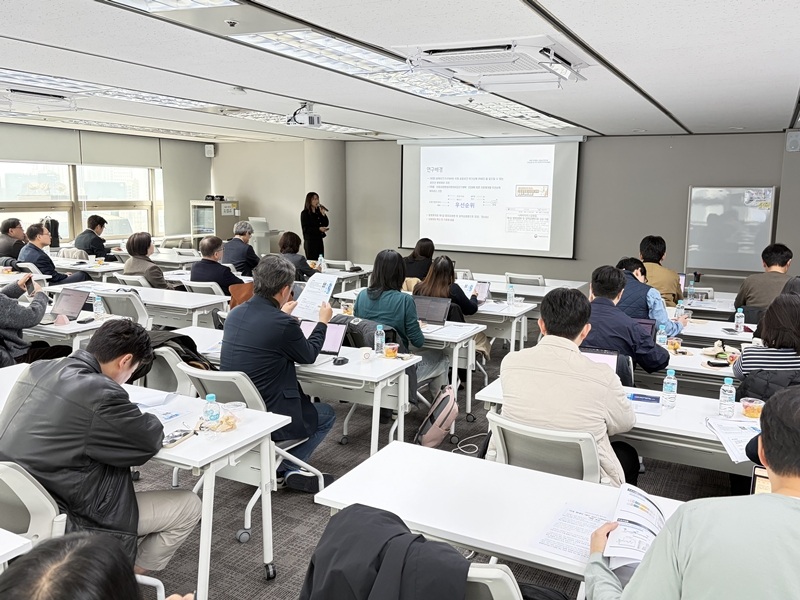
국립보건연구원은 17일 서울 종로구 HJ비즈니스센터 광화문에서 열린 ‘2026년 제1회 과학미디어아카데미’에서 니파를 비롯한 코로나19, 메르스 등 8종의 치료제 개발을 최우선 과제로 선정하고, 오는 2030년까지 관련 기술을 완비해 국가 방역 체계의 대응력을 높이겠다고 밝혔다.
At the inaugural Science Media Academy on March 17 at HJ Business Center in Seoul, the NIH announced that developing treatments for eight diseases including Nipah, COVID-19 and MERS is its top priority.
The goal is to complete related technologies by 2030 to strengthen the national disease response system.
연구원은 현재 물질 발굴 단계인 치료제 개발에 연구 역량을 결집해 오는 2028년 비임상 평가를 거쳐 2030년 이후 생산 공정 고도화를 이룰 계획이다.
The focus is on therapeutic development currently in the discovery phase.
Nonclinical evaluations are planned for 2028, followed by advancement of production processes after 2030.
백신 분야 또한 mRNA 등 신기술을 접목해 오는 2029년엔 임상시험을 하겠다는 구상이다. 이는 단순한 약물 개발을 넘어 향후 감염병 발생 즉시 대응이 가능한 백신 개발 체계를 구축하겠다는 포석이다.
The NIH plans to incorporate new technologies such as mRNA to begin clinical trials by 2029.
This aims to build a system capable of rapid vaccine response to future infectious disease outbreaks.
치명률이 40~75%에 이르는 니파바이러스는 지난 1998년 말레이시아에서 처음 보고된 이후 인도와 방글라데시 등지에서 지속적으로 발생하고 있다. 지난 1월에도 감염 사례가 확인되면서 한국 유입 우려가 커지고 있다. 그러나 지금까지 상용화된 치료제나 백신은 전혀 없는 실정이다.
Since first reported in Malaysia in 1998, Nipah virus has continued to occur in countries such as India and Bangladesh with a fatality rate of 40%–75%.
Concerns over its entry into Korea are rising after cases were confirmed in January, and there are still no commercialized treatments or vaccines.
니파바이러스 감염증은 코로나19와 같은 호흡기 감염병이 아니다. 생 대추야자 수액 등 오염된 식품 섭취나 과일박쥐·돼지 등 감염 동물과의 접촉, 환자의 체액과의 밀접 접촉 등을 통해 전파된다. 감염 시 초기 증상은 발열과 두통 등 감기와 유사한 증상을 보인다. 중증으로 진행되면 급성 뇌염 등 신경학적 증상이 나타나 사망에 이를 수 있다.
Unlike COVID-19, Nipah is not a respiratory disease. It spreads through contaminated food such as raw date sap, contact with infected animals like fruit bats and pigs, or close contact with bodily fluids of infected individuals.
Early symptoms resemble the common cold, such as fever and headache, but severe cases can lead to neurological symptoms like acute encephalitis and death.
위험성이 큰 만큼 질병관리청은 지난해 9월 니파바이러스 감염증을 제1급 감염병으로 지정하고 공중보건 관리 대상에 포함했다.
Due to its high risk, the Korea Disease Control and Prevention Agency classified Nipah as a Class 1 infectious disease last September and designated it for public health management.
남재환 국립보건연구원장은 “니파바이러스는 향후 팬데믹으로 확산될 가능성이 제기되는 고위험 감염병”이라며 “국내외 연구 기관 등과 협력을 확대해 미래 감염병 위협으로부터 국민의 안전을 지키는 백신과 대응 기술 확보에 최선을 다하겠다”라고 말했다.
“Nipah virus is a high-risk infectious disease with the potential to develop into a pandemic,” NIH Director Nam Jae Hwan said.
“We will expand cooperation with domestic and international research institutions to secure vaccines and response technologies to protect public safety.”
서울 = 테레시아 마가렛 기자 margareth@korea.kr
By Margareth Theresia, margareth@korea.kr

