

정부가 연내 ‘햇빛소득마을’을 500개 이상 선정하고, 오는 2030년까지 총 2500곳 이상 조성한다.
The Ministry of the Interior and Safety will designate over 500 “sunshine income villages” this year and expand them to more than 2,500 by 2030.
행정안전부가 24일 국무회의에서 농림축산식품부, 기후에너지환경부와 함께 ‘햇빛소득마을 확산 추진 계획’을 발표했다.
The ministry on March 24 announced this plan at a Cabinet meeting with the Ministry of Agriculture, Food and Rural Affairs and the Ministry of Climate, Energy and Environment.
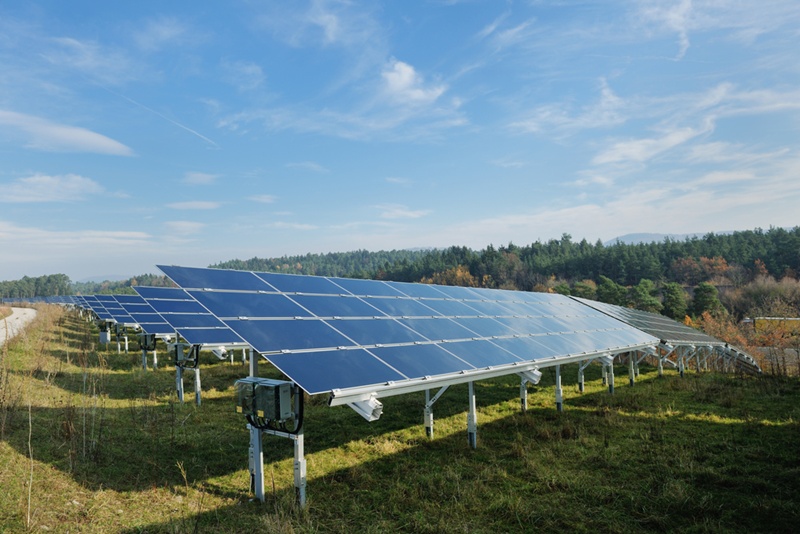
햇빛소득마을은 마을 공동체가 마을 내 유휴부지나 농지·저수지 등에 태양광 발전소를 세워 에너지를 스스로 충당하고, 발생한 수익을 나누는 사업 모델이다.
The model involves local communities installing solar power plants on idle land, farmland or reservoirs to achieve energy self-sufficiency and share the generated profits.
정부는 고유가 에너지 위기 국면에서 태양광 확대 보급을 넓혀 에너지 자립을 높이고, 지역 경제에 활력을 불어넣을 것으로 내다봤다.
The government expects the project to expand solar energy use amid high oil prices, increase energy independence and revitalize regional economies.
윤호중 장관은 “햇빛소득마을은 기후 위기 대응과 지역 소멸 문제를 동시에 해결할 수 있는 새로운 지역 발전 모델” 이라며 “전국적 확산에 박차를 가하겠다”고 말했다.
“The sunlight income village is a new model of regional development that can address both the climate crisis and regional decline,” Minister Yun Ho Jung said.
“We will accelerate its expansion nationwide.”
고현정 기자 hjkoh@korea.kr
By Koh Hyunjeong, hjkoh@korea.kr

