

대한민국 행정 모델이 국경을 넘어 세계의 주목을 받고 있다. 행정안전부는 지난해 12월 93개국 외교사절단과 한국의 공공행정 혁신 사례를 공유하며 ‘행정 한류’의 가능성을 확인했다. 코리아넷이 재난 관리부터 스마트 농업, 산림 복원, 행정도시 건설에 이르기까지 한국 정부가 추진 중인 다섯 가지 혁신 사례를 5회에 걸쳐 집중 조명한다.
Korea’s model of public administration is seeing rising global prominence. The Ministry of the Interior and Safety last month presented benchmarks of public sector advancement to diplomatic delegations from 93 countries, promoting the potential of Hallyu in public administration. This series covers five innovative examples like disaster management, smart agriculture, forest restoration and construction of administrative cities.
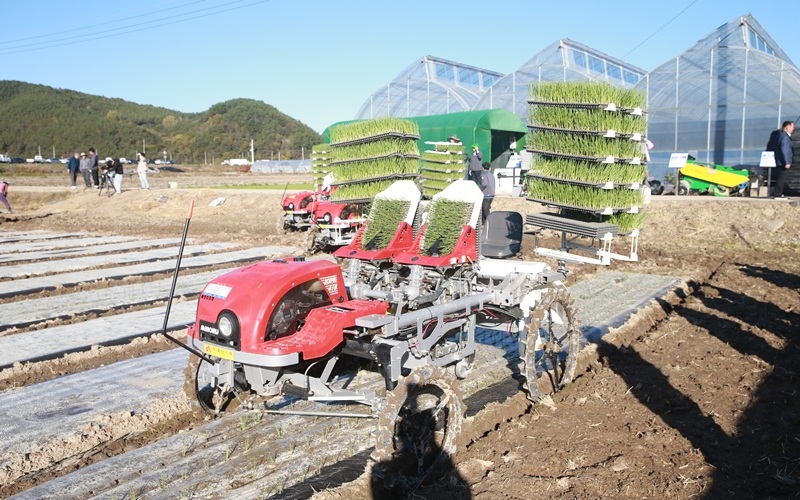
한국 농업이 급격한 인구 감소와 고령화로 심각한 노동력 부족에 직면했다. 농림어업총조사에 따르면 지난 1971년 전체 인구의 44.7%를 차지하던 농업 인구는 2021년 기준 4.3%까지 급락했다. 특히 농업인의 절반 이상이 65세 이상이다. 초고령화 구조가 농촌 지역의 지속 가능성을 근본적으로 뒤흔들고 있는 셈이다.
Domestic agriculture faces a severe labor shortage due to rapid depopulation and an aging society. A national census on agriculture, forestry and fisheries found that the agricultural population dropped from 44.7% in 1971 to 4.3% in 2021.
More than half of workers are age 65 or older, meaning this super-aged structure fundamentally threatens the sustainability of rural areas.
이 같은 위기를 해결하고 농업을 미래 첨단산업으로 전환하기 위해 농촌진흥청(농진청)이 농업로봇과 스마트 농기계 기술 도입에 박차를 가하고 있다. 방제·제초·운반 로봇을 비롯해 인공지능(AI) 기반 자율주행 트랙터와 부착형 조향장치 등을 개발해 농작업의 효율성과 안전성을 대폭 개선해 나가는 중이다.
To resolve this crisis and transform agriculture into a future high-tech industry, the Rural Development Administration is accelerating the adoption of agricultural robots and smart machinery.
It is developing robots for pest control, weeding and transport, as well as AI-based autonomous tractors and attachable steering systems to greatly improve efficiency and safety.
자율주행 트랙터와 이앙기는 숙련된 농부의 손길을 능가한다. 기존 인력 작업의 정밀도 오차가 ±21cm 수준이었다면, 자율주행 기술을 적용할 땐 ±7cm 이내로 작업 품질이 균일해진다. 반복 작업으로 인한 피로가 감소하고 전체 작업시간도 약 25% 단축되는 등 경제적 효과 또한 높다. 야간이나 악천후에도 작업이 가능해 생산성 향상에 기여한다는 평가다.
Driverless tractors and rice transplanters outperform even skilled farmers. The margin of error improves from ±21 cm in manual work to ±7 cm with autonomous technology.
They reduce fatigue from repetitive tasks, cut working time by about 25%, and boost productivity by enabling work at night or in bad weather.
농작업 로봇화 기술은 현장의 안전 확보는 물론 농가 비용 부담을 개선하는 ‘게임 체인저’다. 방제로봇을 도입하면 작업자가 농약에 노출될 위험성이 현저히 낮아진다. 정밀 살포로 기존 방식 대비 농약 사용량 역시 20~40% 줄일 수 있다. 이러한 효율성은 연간 약 2619억 원의 절감 효과로 이어진다는 분석이다. 제초로봇과 운반로봇 역시 농작업 중 발생할 수 있는 전복 사고나 근골격계 질환을 예방하는 데도 도움을 준다.
Agricultural robotics is a game changer that improves both safety and costs. Spraying robots significantly reduce workers’ exposure to pesticides, while precision spraying cuts pesticide use by 20–40%.
This efficiency is estimated to save about KRW 261.9 billion annually. Weeding and transport robots also help prevent rollover accidents and musculoskeletal disorders.
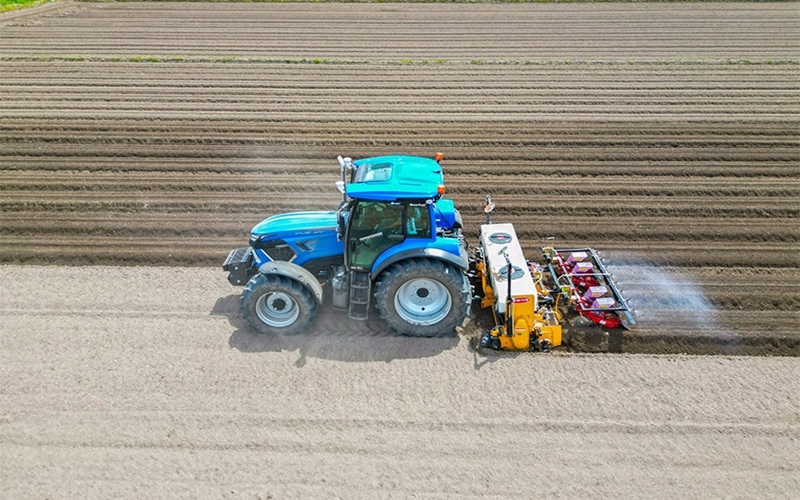
농진청은 AI 기반 인식 지능과 자율주행 기술을 결합해 파종부터 수확까지 전 과정의 자동화를 실현하는 ‘무인 농작업 시대’를 준비하고 있다. 오는 2029년까지 AI 스마트 농기계와 통합 관제 시스템을 구축하고, 피지컬 AI 기반 로봇을 개발해 숙련도가 높은 농작업을 대체할 계획이다.
The RDA is preparing for an era of fully automated farming by combining AI recognition and autonomous driving technologies to automate the entire process from sowing to harvesting.
By 2029, it plans to build AI-powered smart machinery and integrated control systems, and develop physical AI robots to replace high-skill tasks.
이를 위해 전북대 등과 손잡고 피지컬 AI 기반 소프트웨어 플랫폼 개발 등 대규모 국가 프로젝트에 지능형 농업기계 분야가 포함되도록 힘을 쏟고 있다.
To achieve this, the agency is working with institutions like Jeonbuk National University to include intelligent agricultural machinery in major national projects such as physical AI-based software platforms.
농진청 관계자는 “이제 로봇은 농업 현장의 단순한 보조 도구가 아니라 소멸 위기의 농촌을 구할 실질적인 해법”이라며 “AI 기술이 농촌의 물리적 한계를 넘어 새로운 가능성을 여는 핵심 동력이 될 것 “이라고 말했다.
“Robots are no longer simple auxiliary tools but a practical solution to save rural areas facing extinction,” an RDA official said.
“AI will overcome the physical limits of rural areas and become a key driver opening new possibilities.”
서울 = 테레시아 마가렛 기자 margareth@korea.kr
By Margareth Theresia, margareth@korea.kr

