

KIIP Level 5 – Lesson 14: 전통 의식주 – Traditional Food, Clothing, and Housing
01. 한국 음식의 종류와 특징은 무엇일까?
What types of Korean food are there, and what are their characteristics?
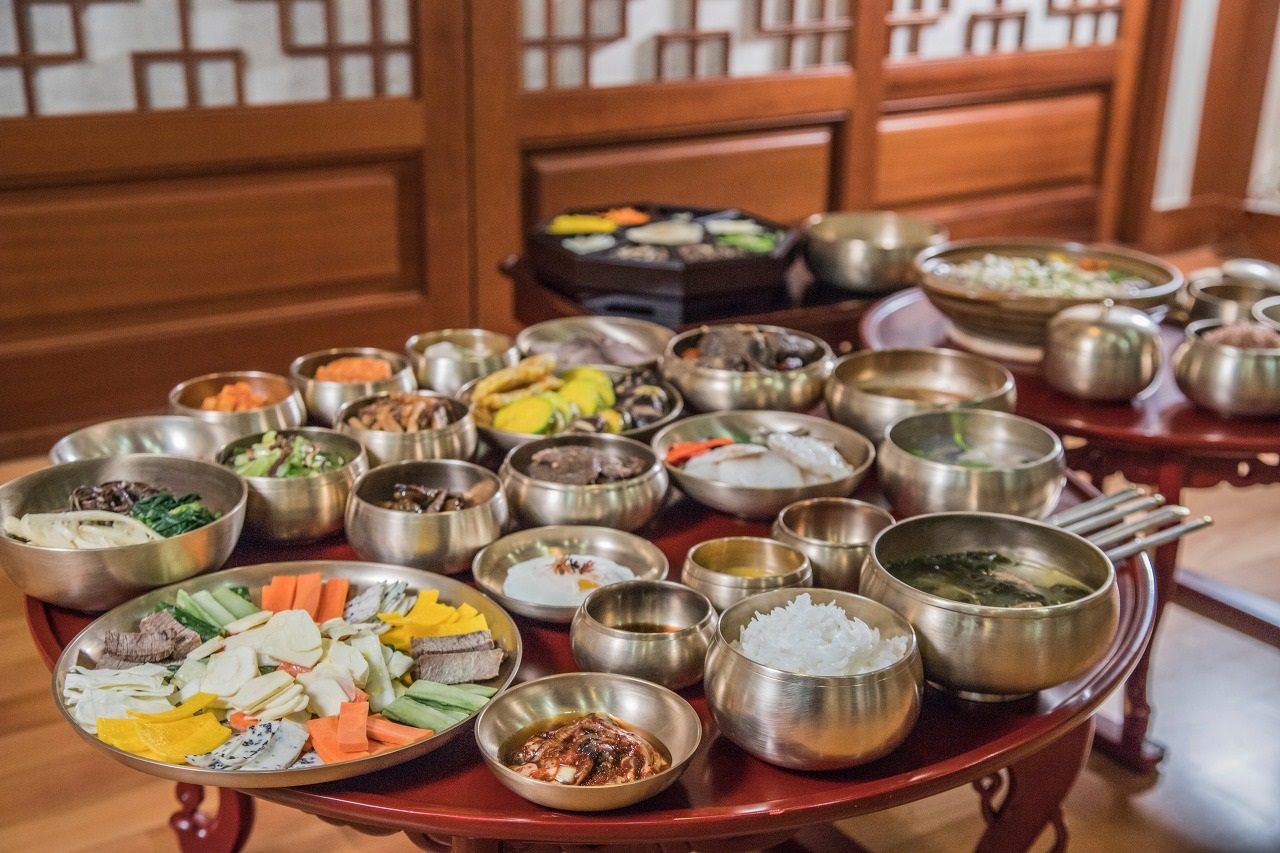
한국 음식의 종류와 특징
한국인은 “밥 먹었어?”,“식사는 하셨어요?”라는 질문으로 안부 인사를 대신하기도 할 만큼 일상생활에서 음식 먹는 것을 중요하게 여긴다. 한국 음식은 기본적으로 밥, 국, 반찬 등으로 구성된다. 밥과 국은 숟가락으로, 반찬은 젓가락으로 먹는 것이 일반적이다. 한국의 주식은 쌀로 만든 밥이다. 한국의 토양과 기후는 벼농사에 적합하다. 밥을 먹을 때는 국이나 반찬과 함께 먹는다. 국은 고기, 해물, 채소 등 재료를 물에 넣고 푹 끓여 만든 음식으로, 그 재료에 따라 특유의 맛이 난다. 그 밖에 탕, 찌개, 전골 등을 먹기도 하며, 국에 밥을 말아 먹는 ‘국밥’도 하나의 요리로 정착되었다.
Types and Characteristics of Korean Food
Koreans place great importance on eating in their daily lives, to the extent that they sometimes use questions such as “Have you eaten?” or “Have you had a meal?” as a form of greeting. Korean food is basically composed of rice, soup, and side dishes. Rice and soup are generally eaten with a spoon, while side dishes are eaten with chopsticks. The staple food of Koreans is rice made from grain. Korea’s soil and climate are well suited to rice farming. When eating rice, it is usually eaten together with soup or side dishes. Soup is a dish made by boiling ingredients such as meat, seafood, and vegetables in water for a long time, and it has a distinctive flavor depending on the ingredients used. In addition, dishes such as 탕 (hearty soups), 찌개 (stews), and 전골 (hot pot) are also commonly eaten, and 국밥 (gukbap), in which rice is served in soup, has become established as a dish in its own right.
의식주: food, clothing, and housing (the basic elements of human life, such as clothing, food, and shelter)
안부: a greeting; an expression of concern or well-being
여기다: to regard, to consider, to view as, to think of as
주식: staple food; main food
국: soup (a dish made by boiling meat or fish and vegetables in plenty of water)
토양: soil; land; soil conditions
채소: vegetables
특유: distinctive; unique; characteristic
탕: soup; hearty soup; stew-like soup
찌개: stew (a thick soup made by simmering meat, tofu, vegetables, chili paste, seasonings, etc. with a small amount of water)
전골: hot pot
말다: to mix; to stir; to add (rice to soup)
정착되다: to become established; to take root; to become settled (used for ideas, practices, or cultural phenomena that come to be naturally accepted in society)
반찬은 밥을 먹을 때 함께 먹는 음식으로 가장 대표적인 것은 김치이다. 김치는 배추, 무, 오이 등의 채소를 소금에 절이고 양념을 버무려 발효시킨 음식이다. 몸에 좋은 영양소를 골고루 갖추고 있어 전 세계에서 인정 받는 건강 식품이다. 김치는 지역에 따라 넣는 재료와 만드는 방식이 다양하다. 겨울이 되기 전 11 월말 ~ 12 월초에 많은 양의 김치를 한꺼번에 골고루담그는 김장의 풍습은 지금까지 이어져 내려오고 있다.
Side dishes are foods eaten together with rice, and the most representative one is kimchi. Kimchi is a fermented food made by salting vegetables such as napa cabbage, radish, and cucumber, then mixing them with seasonings. It contains a balanced variety of nutrients that are beneficial to the body and is recognized worldwide as a healthy food. The ingredients used and the methods of making kimchi vary by region. The custom of kimjang—preparing large quantities of kimchi all at once between late November and early December before winter—has been passed down and continues to this day.
절이다: to salt; to soak (to let salt, vinegar, sugar, etc. soak into ingredients)
양념: seasoning; spices
버무리다: to mix well; to toss together
발효시키다: to ferment; to cause fermentation
영양소: nutrients
골고루: evenly; thoroughly; in a balanced way
방식: method; way; approach
한꺼번에: all at once; in one go
담그다: to pickle; to salt; to soak; to marinate
김장: kimjang; the making of kimchi (the custom of preparing a large amount of kimchi in late autumn to eat throughout the winter)
이어지다: to continue; to be passed on; to be carried on
내려오다: to be handed down; to be passed down (from the past to the present)
또 다른 발효 음식인 된장, 간장, 고추장 같은 장류나 새우젓, 오징어젓 등의 젓갈류도 반찬으로 먹거나 다른 반찬을 만드는 데 많이 사용된다. 또한 채소를 양념과 섞어 만든 나물, 김이나 생선 구이, 고기류를 재료로 해서 만든 음식도 한국인이 많이 먹는 반찬이다.
Other fermented foods, such as various kinds of jang (soybean pastes and sauces) like doenjang, ganjang, and gochujang, as well as types of jeotgal such as saeujeot (salted shrimp) and ojingeojeot (salted squid), are also eaten as side dishes or widely used to make other side dishes. In addition, dishes made from vegetables mixed with seasonings (namul), roasted seaweed, grilled fish, and foods prepared using meat are also side dishes that Koreans commonly eat.
장: fermented pastes and sauces (such as soybean paste, soy sauce, chili paste)
새우젓: salted shrimp (a fermented dish made from small shrimp preserved in salt; especially used to enhance flavor when making kimchi)
된장: fermented soybean paste (a thick paste made by fermenting the solid soybean residue left after making soy sauce)
간장: soy sauce (a dark, salty liquid used to season food)
젓갈: salted seafood; fermented seafood (seafood such as anchovies, shrimp, shellfish, or clams preserved in salt)
섞다: to mix; to blend
나물: seasoned vegetable dishes; vegetable side dishes
다양한 한국 음식과 한식의 세계화
한국에는 밥, 국, 반찬으로 이루어진 기본적인 식단 외에 특별히 요리로 만들어 먹는 음식도 많다. 비빔밥, 삼계탕, 불고기, 삼겹살, 떡국 등이 그 예이다. 최근에는 한국 음식이 방송이나 인터넷 등을 통해 해외에 더욱 널리 알려지면서 K-Food란 이름으로 인기를 끌고 있다. 이와 함께 한국 음식을 세계 곳곳에 보급하고자 하는 ‘한식의 세계화’도 진행되고 있다.
The Diversity of Korean Food and the Globalization of Korean Cuisine
In Korea, in addition to the basic diet consisting of rice, soup, and side dishes, there are also many foods that are specially prepared as dishes. Examples include bibimbap, samgyetang, bulgogi, samgyeopsal, and tteokguk. In recent years, Korean food has become more widely known overseas through media such as television and the internet, gaining popularity under the name K-Food. Along with this trend, efforts to spread Korean cuisine around the world—known as the “globalization of Korean cuisine”—are also underway
식단: diet; meal plan; menu
끌다: to attract; to draw attention
보급하다: to distribute widely; to spread; to popularize (to make something widely available and accessible to many people)
알아두면 좋아요
한국인이 즐겨 먹는 전통 음식, 떡
Traditional Food Loved by Koreans: Tteok (Rice Cakes)
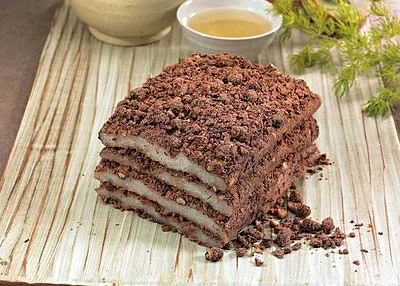
한국인은 예로부터 쌀과 같은 곡식을 이용해서 떡을 만들어 먹었다. 떡은 명절, 제사, 생일잔치, 손님 맞이를 할 때 특히 많이 먹는 음식이다. 가족, 이웃, 친척들과 함께 나누어 먹기도 하고 선물을 하는 경우도 많다. 재료와 만드는 방법에 따라 떡의 종류는 매우 다양한데 인절미, 송편, 가래떡 등이 대표적이다. 아기가 태어난 지 백일이 되거나 1 년이 된 것을 기념할 때는 백설기를, 새로운 곳으로 이사를 간 사람은 이웃에게 시루떡을 나누어 주기도 한다.
From ancient times, Koreans have made and eaten tteok using grains such as rice. Tteok is a food that is especially commonly eaten on occasions such as traditional holidays, ancestral rites, birthday celebrations, and when welcoming guests. It is often shared and eaten together with family members, neighbors, and relatives, and is also frequently given as a gift. Depending on the ingredients and methods of preparation, there are many different types of tteok, with injeolmi, songpyeon, and garaetteok being 대표적인 examples. When celebrating a baby’s 100th day after birth or the first birthday, baekseolgi is prepared, and when someone moves to a new home, they may share sirutteok with their neighbors
맞이하다: to welcome; to receive
인절미: Injeolmi (a type of tteok made by steaming glutinous rice, pounding it until it becomes chewy, cutting it into rectangular pieces, and coating them with soybean powder or red bean powder)

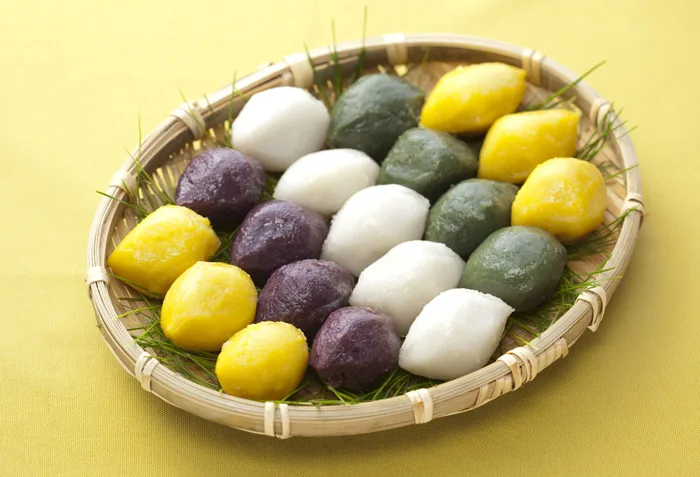
송편: Songpyeon (a type of tteok shaped like a half moon, placed on pine needles and steamed; the outer dough is made from rice flour, and the filling is made from red beans, soybeans, or sesame seeds)
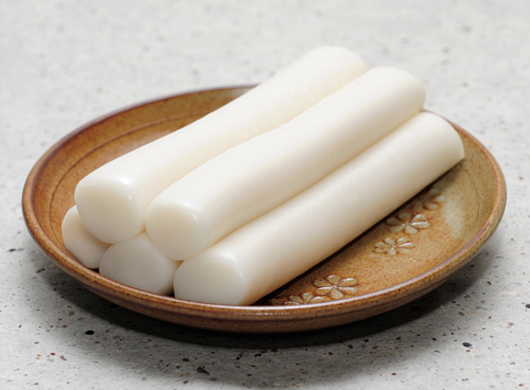
 가래떡: Garaetteok (a white rice cake made in a long, thin cylindrical shape)
백설기: Baekseolgi (a white rice cake made by soaking rice flour in water to let it swell, then steaming it)
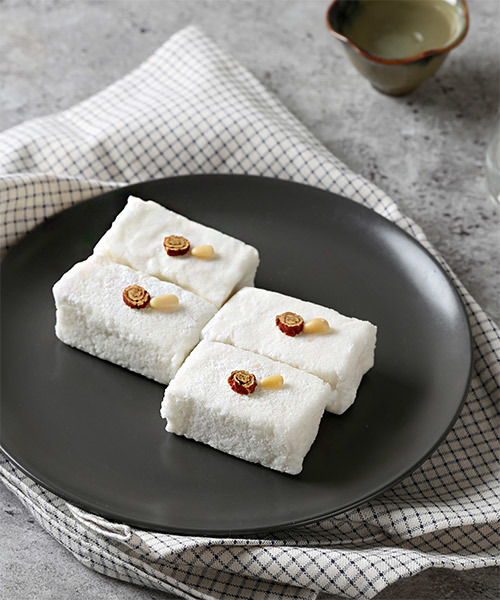
시루떡: Sirutteok (a steamed rice cake made by mixing rice flour with beans or red beans and steaming it in a traditional steamer)
 2. 한복과 한옥의 특징은 무엇일까?
What are the characteristics of Hanbok and Hanok?
한복의 특징
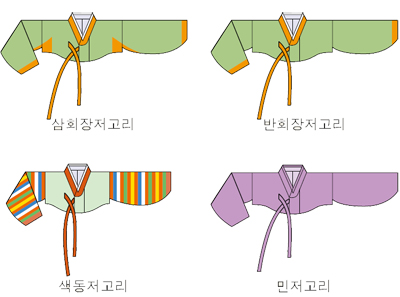
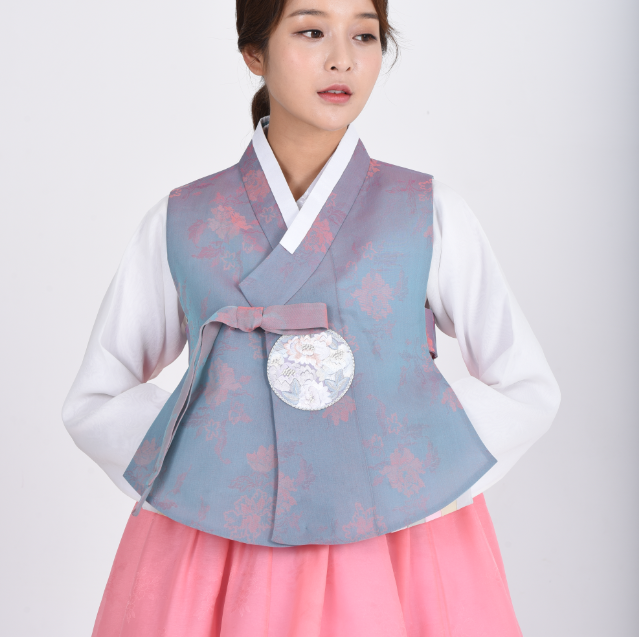
한복은 예부터 전해 내려오는 한국 고유의 옷이다. 오늘날 한복의 모습은 조선시대 중반에 만들어진 것으로 알려져 있다. 한복을 입을 때 기본적으로 여자는 치마와 저고리를, 남자는 바지와 저고리를 입는다. 저고리 위에 여자는 배자를, 남자는 조끼를 입으며, 외출할 때 여자는 마고자, 남자는 두루마기를 입는다.
Characteristics of Hanbok
Hanbok is a traditional Korean garment that has been passed down since ancient times. The form of hanbok seen today is known to have been established in the mid-Joseon period. When wearing hanbok, women basically wear a skirt (chima) and a jeogori, while men wear trousers (baji) and a jeogori. Over the jeogori, women wear a baeja (vest), and men wear a jokki (vest). When going out, women wear a magoja, and men wear a durumagi.
내려오다: to be handed down; to be passed down
고유: inherent; original; unique
저고리: jeogori; the upper garment of hanbok (the jacket worn as part of traditional Korean clothing)
배자
조끼

한복은 계절에 따라 옷감이 다르다. 여름에는 바람이 잘 통하는 삼베나 모시로 옷을 만들어 시원하게 입었고, 겨울에는 솜이나 비단으로 옷을 만들어 따뜻하게 입었다. 오늘날 한복은 설날이나 추석 같은 명절, 돌잔치, 결혼식 등 특별하고 중요한 날에만 입는 옷이 되었다. 대부분의 사람들이 집 밖에서 활동하는 시간이 많기 때문에 한복보다는 활동하기에 더 편한 옷을 많이 입는다. 한편, 한복의 전통적인 디자인을 따르면서도 활동성과 실용성을 높인 생활 한복도 꾸준히 인기를 끌고 있다.
Hanbok uses different fabrics depending on the season. In summer, clothes were made from breathable materials such as sambe (hemp cloth) or mosi (ramie) to keep cool, while in winter they were made from cotton or silk to keep warm. Today, hanbok has become clothing worn only on special and important occasions such as traditional holidays like Seollal and Chuseok, first-birthday celebrations, and weddings. Because most people spend a lot of time being active outside the home, they tend to wear clothes that are more comfortable for movement than hanbok. Meanwhile, saenghwal hanbok (everyday hanbok), which follows traditional designs while enhancing practicality and mobility, continues to gain popularity.
옷감: fabric; cloth
삼베: hemp cloth
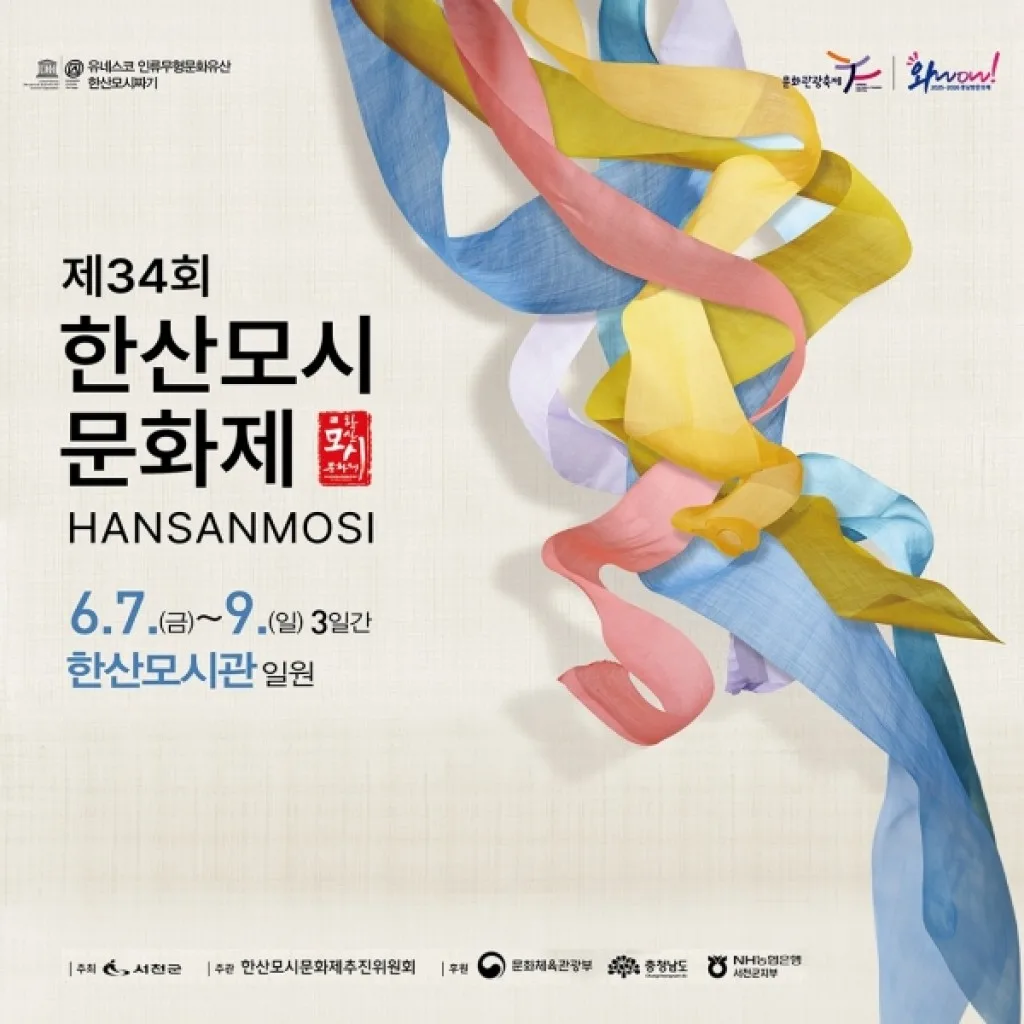
(a fabric woven from hemp fibers; usually light brown or natural beige in color, coarse in texture, breathable, and quick-drying; commonly used for summer clothing or traditional mourning garments because of its simple and solemn feel)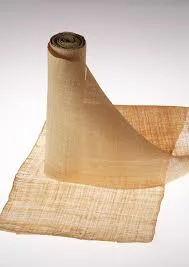 모시: ramie cloth
(a fabric made from ramie fibers; smoother and brighter than sambe, with a slight sheen and a cool feel to the touch, making it very suitable for summer. Hansan mosi (한산 모시) is especially famous and has been recognized by UNESCO as an Intangible Cultural Heritage.)
솜: cotton, padding
비단: silk
실용성: practicality
꾸준히: steadily, consistently
한옥의 특징
한옥은 한국의 전통적인 생활 모습이 반영된 집이다. 한옥은 지붕을 만드는 재료에 따라 기와집과 초가집으로 나뉜다. 기와집은 흙으로 만들어 구운 기와를 지붕에 얹은 집으로 과거에 주로 신분이 높은 사람이 살았다. 초가집은 지붕에 볏짚이나 억새 등과 같은 풀을 얹은 집으로 과거에 주로 서민들이 많이 살았다.
Characteristics of Hanok
Hanok is a traditional Korean house that reflects the traditional Korean way of life. Hanok is divided into giwajip (tile-roofed houses) and chogajip (thatched-roof houses) depending on the materials used for the roof. A giwajip is a house with a roof made of baked clay tiles, and in the past it was mainly inhabited by people of higher social status. A chogajip is a house with a roof covered with materials such as rice straw or reeds, and in the past it was mainly lived in by common people..
반영되다: to be reflected
기와집: tile-roofed house
초가집: thatched house
흙: soil, earth
구운 기와: baked (fired) roof tiles
지붕: roof
얹다: to place on, to put on, to cover (a roof)
신분: social status, social position
볏짚: rice straw
억새: reeds, silver grass
풀: grass
서민: common people, ordinary people
한옥에는 온돌과 대청마루가 있다. 온돌은 아궁이에 불을 때어 방을 따뜻하게 하는 난방 장치에 해당한다. 대청마루는 방과 방 사이에 긴 널빤지를 깔아 만든 공간이다. 겨울에는 온돌을 이용해 따뜻하게 만든 방에서 주로 생활하고, 여름에는 시원하고 바람이 잘 통하는 대청마루에서 더위를 피했다.
There are ondol and daecheongmaru in a hanok. Ondol refers to a heating system that warms the room by lighting a fire in a furnace. Daecheongmaru is a space created by laying long wooden planks between rooms. In winter, people mainly lived in rooms heated with ondol to keep warm, and in summer, they avoided the heat by staying on the cool, well-ventilated daecheongmaru.
대청마루: main hall wooden floor, a large wooden floor installed in the front section of a house, wooden floor in the main hall
아궁이: furnace, stove, firebox
때다: to light, to make a fire, to burn
난방: heating, warming
장치: equipment, device, apparatus
널빤지: wooden plank, board
깔다: to lay down, to spread, to install
한국의 조상들이 선호했던 집의 위치
The location of houses preferred by Korean ancestors
한국인은 남쪽을 향해 지은 남향집을 좋아한다. 남향집에 햇볕이 잘 들기 때문이다. 또한 과거에는 집 앞에 강이나 냇물이 흐르고, 뒤에는 산이 있는 곳을 선호하였다. 뒷산 덕분에 겨울철 찬 바람을 막고 땔감을 쉽게 구할 수 있으며 생활이나 농사에 필요한 물을 쉽게 구할 수 있어서 편리했다. 이런 곳은 좋은 장소라는 의미에서 ‘명당’이라고 불렸다.
햇볕: sunlight
냇물: stream water, small stream
선호하다: to prefer, to favor
땔감: firewood, fuel
명당: an auspicious site, an ideal location, favorable land


Eagerly waiting for rest chapter…. i just love you