

고착화된 인구 절벽의 위기 속에서 작지만 분명한 희망의 신호가 감지됐다. 2025년 출생아 수가 전년 대비 6.8% 증가하며 반등에 성공했다. 코리아넷은 그간 이어진 ‘초저출산’ 흐름에 유의미한 변화를 이끈 정부 정책의 현주소와 한국 특유의 출산 문화를 3회에 걸쳐 집중 조명한다.
Amid the crisis of an entrenched demographic cliff, small but clear signs of hope have emerged. The number of births last year rose 6.8% from the year before. This three-part series examines government policies driving this rebound from a prolonged ultra-low birth rate, along with Korea’s distinctive childbirth culture.
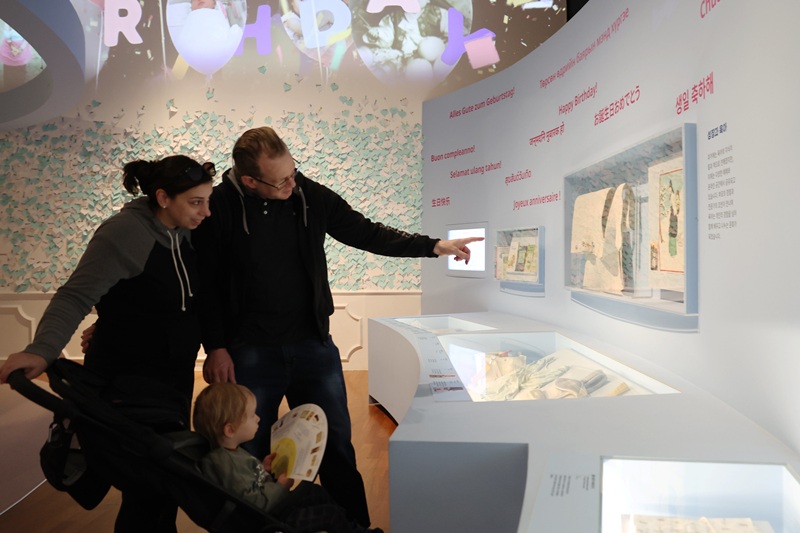
연간 25만 명이 넘는 새 생명의 울음소리가 다시금 사회의 활기를 깨우는 지금, 국립민속박물관에서 열린 ‘출산, 모두의 잔치’ 특별전은 그 어느 때보다 각별한 울림을 전한다.
With annual births returning to over 250,000 and revitalizing society, the exhibition “Happy Birthday” at the National Folk Museum of Korea carries deeper meaning than ever.
전시는 아이의 탄생을 단순한 ‘가족의 사건’이 아닌 ‘공동체의 축제’로 여겼던 선조들의 지혜를 빌려 오늘날 우리가 되찾아야 할 생명의 본질을 묻는다. 전시장 곳곳에 배치된 유물들은 한국인만이 가진 독특한 출산 문화와 그 속에 숨겨진 지혜를 가감 없이 보여준다. 대문에 금줄을 치고 산모를 위해 미역국을 끓이며, 1000명의 마음을 모아 ‘천인천자문’을 써 내려가던 지극한 간절함. 이 마음은 오늘날 산후조리원과 육아 커뮤니티라는 새로운 형태로 그 맥을 잇고 있다.
The exhibition reflects ancestral wisdom that viewed childbirth not as a private family event but as a communal celebration, prompting reflection on the essence of life today.
Artifacts vividly showcase Korea’s unique childbirth traditions — hanging geumjul, preparing seaweed soup for mothers and composing the Cheonin Cheonjamun (“1,000 Characters from 1,000 People”).
This deep devotion continues today in modern forms such as postpartum care centers and parenting communities.
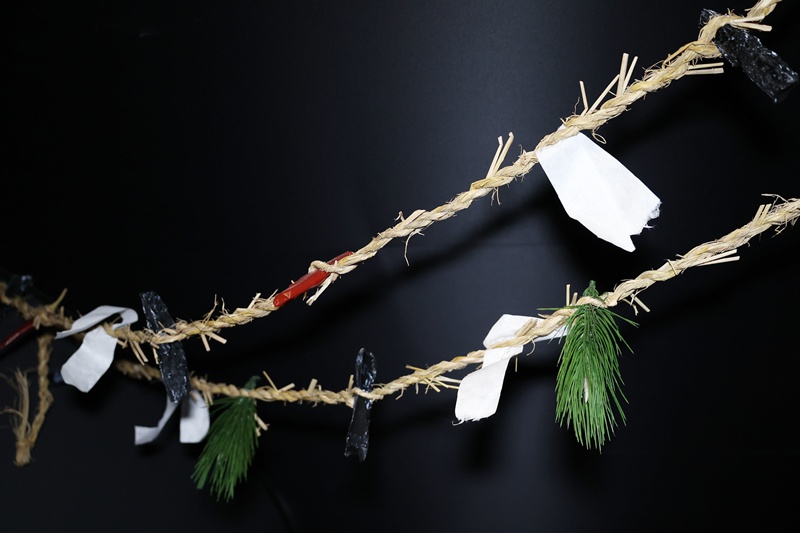
■ 붉은 고추와 검은 숯: 경계의 신호 ‘금줄’ – Red chili peppers and charcoal: geumjul as a boundary signal
아이가 태어나면 한국의 대문에는 금줄이 걸렸다. 아들이면 고추, 딸이면 숯을 꽂은 새끼줄을 대문에 걸어 21일 동안 외부인의 출입을 엄격히 제한했다. 이는 단순히 출산을 알리는 표식을 넘어, 외부의 부정한 기운을 막는 신성한 경계선이었다. 면역력이 약한 산모와 아기를 보호하려는 선조들의 과학적 지혜가 담긴 관습이다. 일본의 ‘시메나와’나 서구권의 문 리본이 주로 축하의 의미를 담는다면, 한국의 금줄은 ‘금기’란 장치로 생명을 보호하려는 공동체의 약속이다.
In the past, a geumjul was hung at the gate after childbirth — decorated with red chili peppers for a boy and charcoal for a girl — restricting outsiders for 21 days.
Beyond announcing birth, it served as a sacred boundary protecting against harmful forces.
This custom reflects practical wisdom to safeguard vulnerable mothers and newborns. Unlike Japan’s shimenawa or Western door ribbons symbolizing celebration, Korea’s geumjul represents a communal pledge to protect life through taboo.
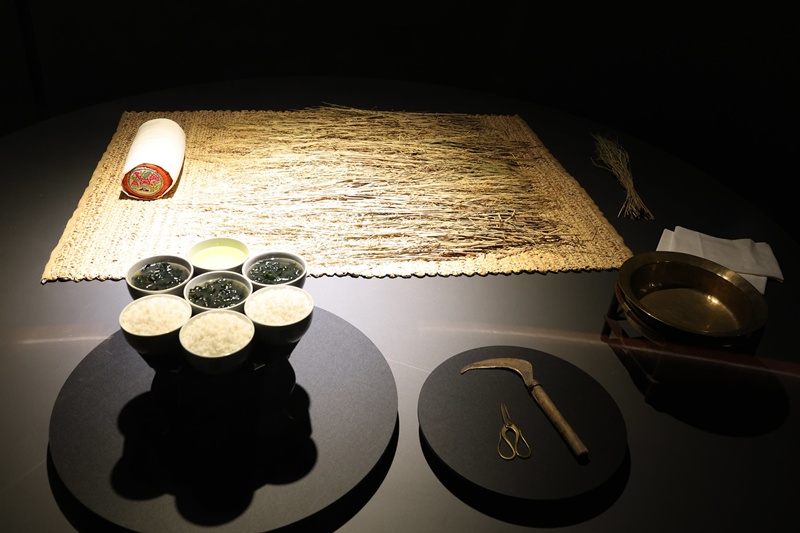
■ 왜 한국인은 출산 후 ‘미역국’을 먹는가? – Why Koreans eat seaweed soup after childbirth
전시관 한편을 채운 소박한 미역국 상차림은 한국 산후조리의 상징이다. 새끼를 낳은 고래가 미역으로 산후 상처를 치료하는 것을 보고 산모에게 먹이기 시작했다는 설이 전해진다. 미역은 요오드와 칼슘이 풍부해 자궁 수축과 혈액 정화에 탁월하다는 게 현대 의학으로도 입증됐다. 서구권은 영양 보충을 위해 스테이크나 채소를 권하기도 하지만, 한국은 따뜻한 국물로 몸의 회복을 돕는 ‘온(溫)’ 문화를 고수한다. 산모를 정성껏 대접하는 한국 특유의 ‘정’ 이 담긴 보살핌이다.
A simple meal of miyeokguk symbolizes Korea’s postpartum care tradition.
It is said to originate from observing whales eating seaweed after giving birth. Modern medicine confirms its benefits in uterine contraction and blood purification due to rich iodine and calcium.
While Western cultures recommend steaks or vegetables, Korea emphasizes warm nourishment — reflecting care rooted in emotional devotion (jeong).
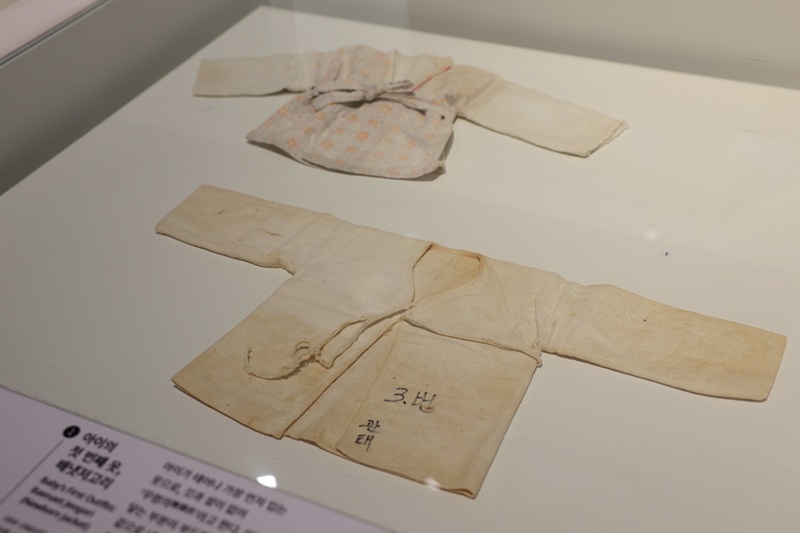
■ ‘백일저고리’에 담긴 무병장수의 염원 – Wishes for health in the baegil jeogori
아이의 백일저고리는 깃과 섶을 달지 않고 솔기를 최소화해 만든다. 아이의 앞날에 막힘이 없기를 바라는 부모의 마음이다. 특히 배냇저고리는 가족의 간절한 기도를 담고 있다. 이 문화는 오늘날에도 이어져 출산 선물로 사랑받고 있다.
The baegil jeogori, worn on a baby’s 100th day, is made with minimal seams to symbolize a smooth future. The baenaet jeogori, worn at birth, carries traces of handling that reflect heart felt prayers for survival. These traditions continue today as meaningful gifts for newborns.
■ 시대를 관통하는 ‘모성 연대’의 기록 – Maternal solidarity across generations
1900년대 초 편지에서부터 2000년대 육아서, 오늘날 스마트폰 맘카페와 단체 채팅방까지 여성들의 연대는 이어져 왔다. 이는 현대판 ‘어머니의 편지’이자 생활 지침서다.
From handwritten letters in the early 1900s to parenting books in the 2000s and today’s online communities and chat groups, women’s solidarity has continued across generations.
These serve as modern-day guides and “letters from mothers.”
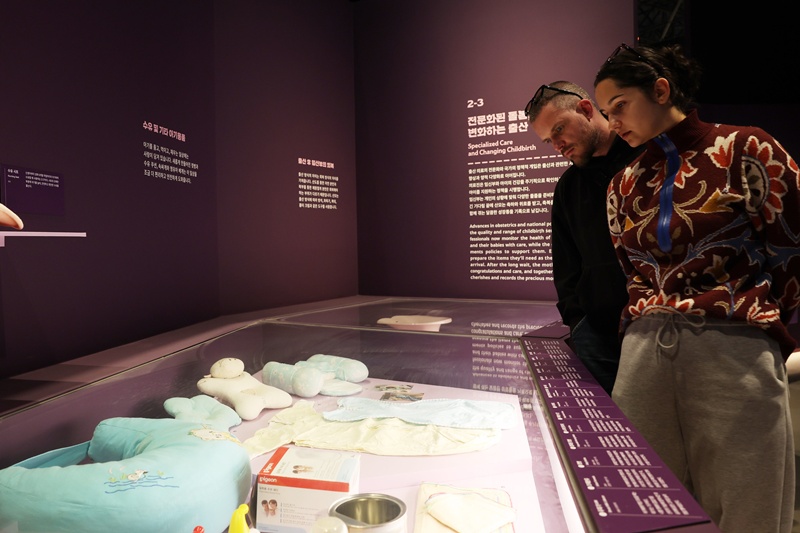
출산을 단순한 숫자가 아닌 생명이 탄생하는 기적의 순간으로 조명하는 이번 전시는 오는 5월 10일까지 개최된다. 전시의 자세한 내용은 국립민속박물관 공식 누리집에서 확인할 수 있다.
The exhibition, which highlights childbirth as a miracle rather than a statistic, runs through May 10. More information is available on the museum’s official website.
서울 = 홍안지 기자 shong9412@korea.kr
사진 = 박대진 기자 pacdaejin@korea.kr
By Hong Angie
Photos = Park Daejin


정부 정책이 출산 문화 변화에 영향을 미치고 있다는 점에 동의합니다. 한국의 출산 문화가 중요한 부분일 것 같아요.