

올해 2분기 한국 경제가 반도체 수출 호황과 교역조건 개선에 힘입어 견조한 성장 흐름을 이어갔다. The economy maintained steady growth in the second quarter backed by the semiconductor boom and improved trade terms.
한국은행은 올해 2분기 실질 국내총생산(GDP) 성장률이 전 분기 대비 0.6%를 기록했다고 8일 밝혔다. 한국은행이 지난 7월 발표한 속보치와 같은 수치다.
The Bank of Korea on Sept. 8 said economic growth per preliminary data on gross domestic product (GDP) grew 0.6% in the second quarter from the first, matching the central bank’s preliminary estimate in July.
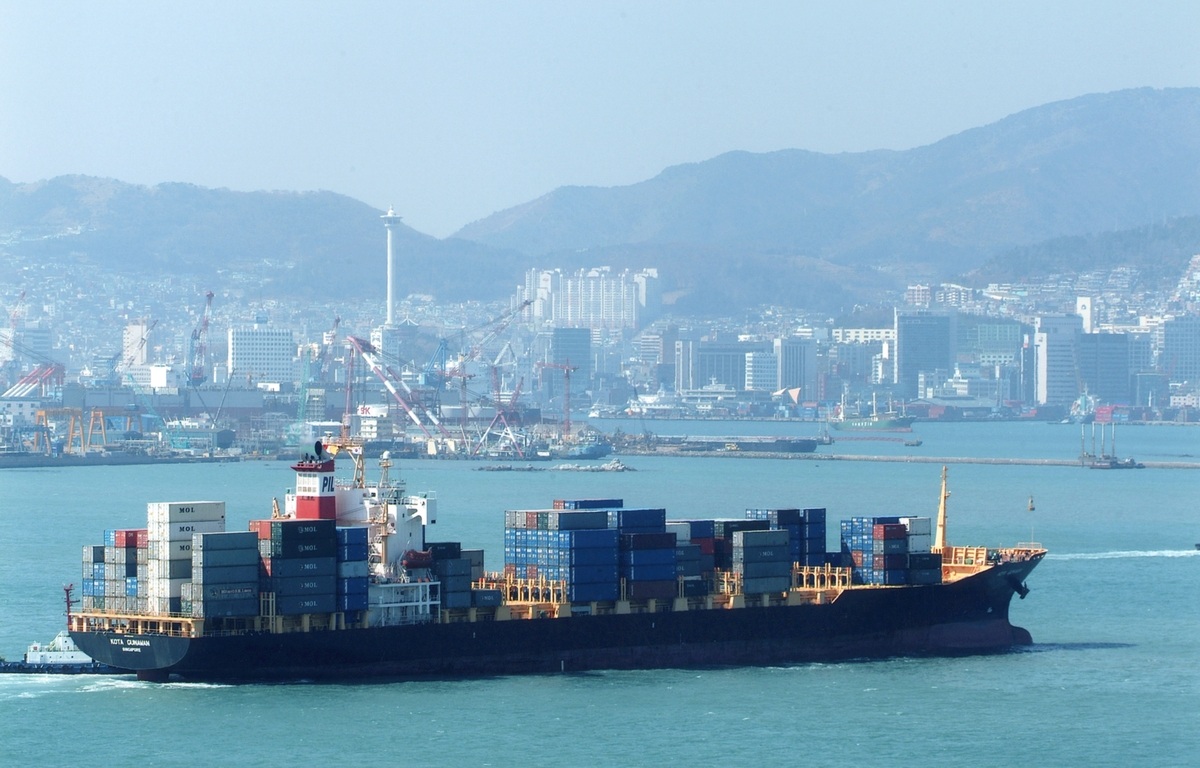
이번 성장은 민간소비와 수출이 견인했다. 수출은 반도체와 기계·장비 호조로 1.3% 확대됐다. 수입 역시 자동차와 기계류 수요가 늘며 0.7% 오름세를 보였다.
Private consumption and exports drove growth. Overseas shipments rose 1.3% due to strong demand for chips, machinery and equipment, while imports inched up 0.7% led by cars and machinery.
내수 시장도 회복세를 나타냈다. 민간소비는 가전 등 재화와 음식·숙박 서비스 이용이 늘어 0.4% 성장했다. 정부소비 또한 건강보험급여비 지출을 중심으로 0.1% 증가했다.
Domestic demand also showed signs of recovery. Private consumption grew 0.4% led by higher spending on goods such as home appliances, food and lodging services. Government spending also inched up 0.1% primarily thanks to expenditures in health insurance benefits.
투자는 분야별로 희비가 엇갈렸다. 지식재산생산물투자가 연구개발(R&D)과 소프트웨어 확장에 힘 받아 3.4% 늘었다. 설비투자는 반도체 제조장비 도입으로 0.2% 신장했다.
Investment performance varied by sector. That in products related to intellectual property increased 3.4% thanks to the expansion of research and development and software. Facility investment went up 0.2% led by the acquisition of semiconductor manufacturing equipment.
반면 건설투자는 토목공사 위축 탓에 0.1% 뒷걸음쳤다. Investment in construction, however, dipped 0.1% due to a slowdown in civil engineering projects.
소득 지표도 큰 폭의 개선세를 보였다. 2분기 명목 GDP는 전 분기 대비 9.2%, 전년 동기 대비로는 26.4% 뛰어올랐다. 명목 국민총소득(GNI) 역시 8.8% 늘었다. 명목 국외순수취요소소득이 13조 7000억 원에서 12조 원으로 줄었으나, 명목 GDP가 대폭 늘어난 영향이다.
Income indicators also showed major improvement. Nominal GDP in the second quarter soared 9.2% from the first and 26.4% year on year; nominal gross national income (GNI) also jumped 8.8%. Nominal net factor income decreased to KRW 12 trillion from KRW 13.7 trillion, but this was offset by the substantial growth in nominal GDP.
실질 GNI도 전 분기 대비 3.1% 뛰며 실질 GDP 성장률(0.6%)을 크게 웃돌았다. 교역조건이 나아지면서 실질무역이익이 38조 7000억 원에서 58조 5000억 원으로 급증한 덕이다.
Real GNI rose 3.1% quarter on quarter, greatly outperforming GDP growth of 0.6%, thanks to the surge in real trade gains from KRW 38.7 trillion to KRW 58.5 trillion amid improvement of trade terms.
이다솜 기자 dlektha0319@korea.kr
By Lee Dasom, dlektha0319@korea.kr

