

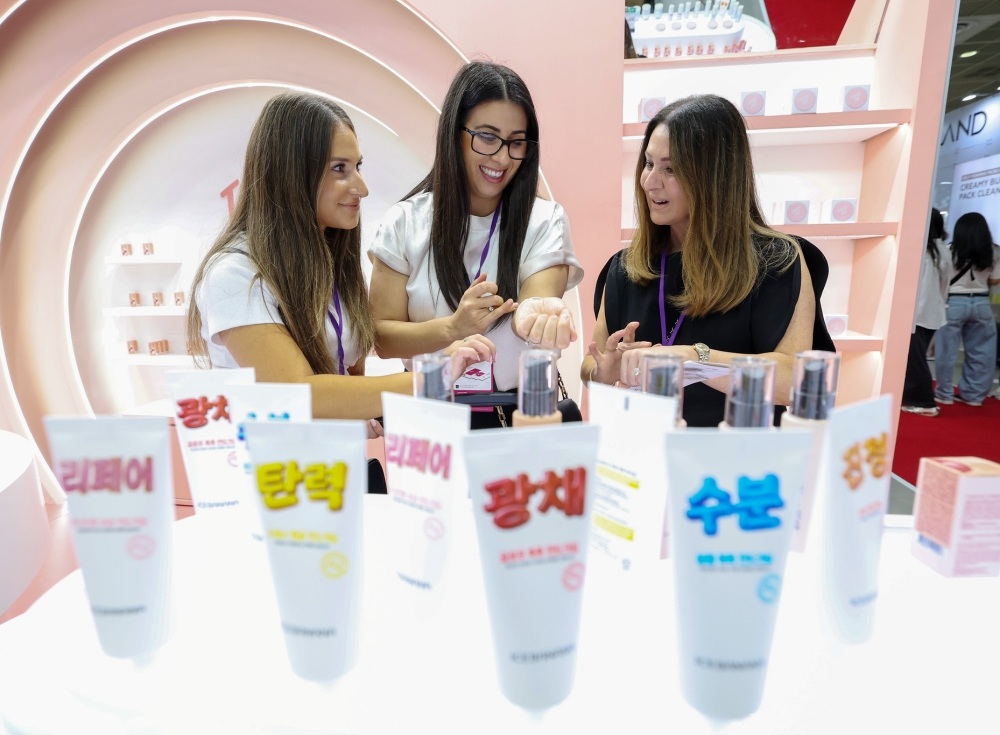
지난달 한국을 방문한 외국인 관광객의 국내 카드 소비액이 2조 원을 넘었다. Card spending by foreign tourists in the country last month exceeded KRW 2 trillion for the first time.
한국관광공사는 한국관광 데이터랩 외국인 카드 소비 빅데이터를 분석한 결과 5월 소비 지출액이 2조 1222억 원을 기록했다고 17일 밝혔다.
The Korea Tourism Organization (KTO) on June 17 said a big data study of foreign card spending by the Korea Tourism Data Lab found that such expenditures in May reached KRW 2.12 trillion.
이는 지난해 같은 달(1조 2702억 원)보다 67.1% 증가한 수치며 2023년 이후 최고 성장률이다.
The figure was a 67.1% jump from KRW 1.27 trillion in May last year and the highest growth rate since 2023.
업종별로 보면 작년 5월 대비 쇼핑업(+77.8%), 운송업(+70.6%), 의료웰니스업(+65.8%), 식음료업(+64.9%) 순으로 높은 증가율을 보였다.
By industry, the highest year-on-year growth was seen in retail (77.8%), followed by transportation (70.6%), health and wellness (65.8%), and food and beverages (64.9%).
세부 업종에서는 약국(+206.1%), 장난감·오락기기(+191.4%), 피부관리·마사지(+153.9%), 백화점(+89.2%), 면세점(+87.6%) 등에서 늘었다.
Seeing brisk sales growth were pharmacies (206.1%), toys and entertainment equipment (191.4%), skincare and massage (153.9%), department stores (89.2%) and duty-free shops (87.6%).
운송업에서는 철도가 79.9%, 숙박에서는 콘도미니엄이 72.2% 성장했다.
In transportation, rail rose 79.9% and in lodging, condominiums surged 72.2%.
중국 관광객이 전반적인 소비 성장을 주도했다. 이들의 카드 소비는 올해 들어 매월 증가세를 이어가다 지난달에는 전년 동월 대비 3배 이상(+214.0%) 급증했다. 특히 시계·귀금속(+69.7%)과 액세서리(+87.0%) 업종 매출이 크게 뛰었다.
Chinese tourists led overall consumption growth, with their card spending rising every month this year including an amazing 214% jump last month year on year. Sales of watches and jewelry jumped 69.7% and those of accessories 87%.
외국인 관광 소비는 글로벌 2030 세대 중심의 ‘라이프스타일 소비’와 중국 관광객 주도의 ‘초고가 럭셔리 쇼핑’으로 뚜렷하게 나뉜다.
Foreign tourist consumption is divided into “lifestyle spending” centered on consumers in their 20s and 30s and “ultra-high-end luxury shopping” driven by Chinese tourists.
한국관광공사는 “이번 분석은 외국인 관광 소비가 단순 회복 국면을 넘어, 상권·업종·국가별로 세분화되고 있음을 보여준다”고 짚었다.
The KTO said, “This analysis shows that foreign tourist consumption has moved beyond the simple recovery phase and is increasingly segmented by commercial district, industry and nationality.”
아흐메트쟈노바 아이슬루 기자 aisylu@korea.kr
By Aisylu Akhmetzianova, aisylu@korea.kr

