

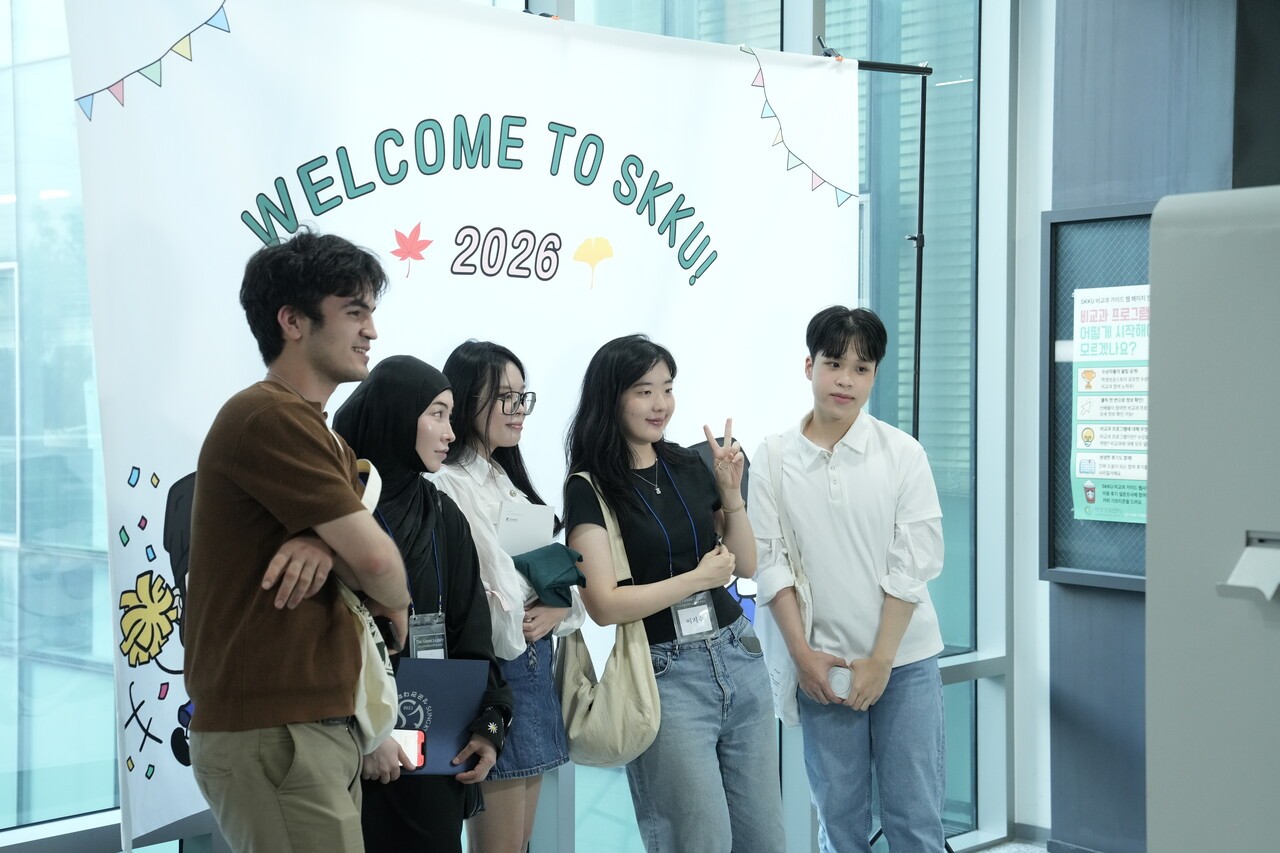
정부가 외국인 유학생 정책 방향을 ‘유치 규모 확대’에서 ‘교육의 질 제고’와 ‘우수인재 양성’ 중심으로 전환한다. 또 부실대학에는 유학생 유치를 제한할 방침이다.
Policy toward international students will shift from expanding enrollment to raising the quality of education and developing outstanding talent, with underperforming universities to face restrictions in recruiting such students.
올해 외국인 유학생 규모가 기존 목표치인 30만 명을 돌파한 가운데, 교육부는 이 같은 내용을 담은 ‘외국인유학생 인재양성 혁신 전략’을 8일 발표했다.
With the number of foreign students this year surpassing the government’s original target of 300,000, the Ministry of Education on Sept. 8 said this in announcing a strategy for developing the talent of such students.
우선 대학이 해외 유학원을 통해 외국인 유학생을 모집·유치할 때 전 과정을 책임 있게 관리하도록 ‘대학-유학원 표준협약서(안)’를 마련해 올해 하반기에 배포한다.
The first step is to prepare a draft standard agreement between universities and study abroad agencies to ensure that the schools manage the entire recruitment process responsibly when using such agents to attract and admit international students.
유학생 보호를 위해 필요한 사항은 법령을 개정해 의무화할 예정이다.
Provisions to protect such students will be mandatory after relevant laws and regulations are amended.
대학의 유학생 교육·관리 역량을 평가해 비자심사와 연계하는 ‘교육국제화역량인증제’도 손질한다.
The International Education Quality Assurance System (IEQAS), which evaluates a university’s capacity to educate and manage international students and links the results to visa screening, will undergo revision.
현재 대학이 평가지표 일부를 골라 인증받는 방식도 오는 2029년부터 유학생 교육·관리에 핵심적인 지표를 반드시 충족해야 하는 방식으로 바뀐다.
From 2029, universities must meet key metrics for the education and management of such students instead of being able to choose select evaluation criteria to obtain accreditation.
기본적인 교육 여건을 갖추지 못한 대학의 유학생 모집은 엄정하게 관리한다. 기관평가인증에서 미인증되거나 사립대 재정 진단에서 2년 연속 ‘경영위기대학’으로 평가받으면 신규 유학생 모집이 제한된다.
International student recruiting by universities that lack basic educational conditions will face strict regulation. Schools that fail to receive institutional accreditation or get tagged as facing a management crisis for two straight years under a financial assessment of private universities will be restricted from recruiting such students.
첨단산업과 지역의 인재 수요에 필요한 해외 우수인재 유치·양성 정책도 추진한다.
New policies will seek to attract and develop outstanding foreign talent needed by advanced industries and regional labor markets.
정부초청장학생(GKS)의 이공계 선발 비중을 늘리고, 연구성과 우수 장려금을 비롯해 최우수 인재를 위한 혜택을 신설한다.
The proportion of science and engineering students selected for the Global Korea Scholarship will be raised, and new benefits to woo top talent will include incentives for outstanding research results.
내년에는 ‘해외인재 우수학과 인증제’를 도입한다. Next year, an accreditation system will be launched for departments that excel in attracting global talent.
유학생 지역 취업·정주 성과가 있는 학과에 재정지원과 장학생 배정 등 인센티브를 부여하는 제도다.
Departments with a proven track record of helping foreign students find jobs and settle in the regions of their schools will qualify for benefits such as financial support and scholarship allocation.
교육부는 올 하반기 ‘5주기 교육국제화역량인증제 기본계획’을 확정하고 관련 법령 개정과 해외인재 우수학과 인증제 시행, 유학생 소통망(네트워크) 구축 등을 순차적으로 추진할 예정이다.
In the second half of the year, the ministry will finalize a basic plan for the fifth cycle of the IEQAS and sequentially pursue measures like amendments to laws and regulations, launch of an accreditation system for departments that have successfully recruited international talent and setup of a network for foreign students.
최교진 교육부 장관은 “앞으로 우수인재 유치와 양성에 주력해 유학생이 한국에서 쌓은 학업과 경험을 바탕으로 우리 사회와 세계 각지에서 활약할 수 있도록 지원하고, 케이(K)-교육의 위상을 더욱 높여가겠다”고 말했다.
Minister of Education Choi Kyo Jin said, “Our focus will be attracting and developing outstanding talent to support international students and allowing them to contribute to our society and those worldwide based on their academic achievements and experiences they gain in Korea, while further enhancing the standing of K-education.”
이다솜 기자 dlektha0319@korea.kr
By Lee Da Som, dlektha0319@korea.kr

