

1분기 GDP 1.8% 성장…명목 GDP 31년 만에 최고 Q1 GDP Grows 1.8%; Nominal GDP Hits Highest Level in 31 Years
반도체 수출 호조로 올해 1분기 실질 국내총생산(GDP·잠정)이 1.8% 성장했습니다.
Driven by strong semiconductor exports, South Korea’s real gross domestic product (GDP, preliminary estimate) grew by 1.8% in the first quarter of this year.
한국은행이 오늘(9일) 발표한 ‘2026년 1분기 국민소득(잠정)’을 보면, 1분기 실질 GDP는 지난해 4분기보다 1.8% 성장했습니다.
According to the Bank of Korea’s preliminary report on National Income for the First Quarter of 2026, released today (June 9), real GDP increased by 1.8% compared to the fourth quarter of last year.
이는 지난 4월 발표한 속보치보다 0.1%p 높은 수준으로, 설비투자와 민간 소비 실적이 반영되면서 성장률이 상향 조정됐습니다.
This figure is 0.1 percentage point higher than the advance estimate released in April, as stronger facility investment and private consumption led to an upward revision.
지난 2020년 3분기(2.3%) 이후 5년 6개월 만에 가장 높은 수치입니다. It marks the highest quarterly growth rate in five and a half years since the third quarter of 2020, when GDP grew by 2.3%.
김화용 한국은행 국민소득부장은 “1분기 실질 GDP 성장률 0.1%p 조정은 연간 성장률을 0.1%p 높이는 영향이 있다”며 “8월 경제전망 때 변화된 조건에 따라 전망할 것으로 본다”고 말했습니다.
Kim Hwa-yong, Director of the National Income Division at the Bank of Korea, said, “A 0.1 percentage point upward revision in first-quarter real GDP growth could raise annual growth by the same amount,” adding that the outlook would be reassessed in August based on changing economic conditions.
한국은행은 지난 5월 경제전망 올해 실질 GDP 성장률을 2.6% 수준으로 예상했습니다. In its May economic outlook, the Bank of Korea projected real GDP growth of around 2.6% for this year.
경제활동별로는 제조업이 컴퓨터, 전자 및 광학기기를 중심으로 지난해 4분기보다 3.9% 증가했고, 건설업은 건물 건설과 토목 건설이 모두 늘어 2.2% 늘었습니다.
By sector, manufacturing expanded by 3.9% from the previous quarter, led by computers, electronics, and optical equipment. Construction also grew by 2.2%, supported by increases in both building and civil engineering projects.
서비스업도 도소매 및 숙박음식업, 금융 및 보험업 등을 중심으로 0.6% 증가했습니다.
The service sector also rose by 0.6%, driven mainly by wholesale and retail trade, accommodation and food services, as well as finance and insurance.
지출항목별로는 민간 소비가 재화와 서비스 소비가 모두 늘면서 지난해 4분기보다 0.6% 증가했고, 정부 소비는 건강보험 급여비 지출이 줄면서 0.4% 감소했습니다.
On the expenditure side, private consumption increased by 0.6% as spending on both goods and services rose. Government consumption, however, declined by 0.4% due to reduced health insurance benefit payments.
건설투자는 건물 건설과 토목 건설이 모두 늘어 1.4% 늘었고, 설비투자는 가계류와 운송장비가 모두 늘어 6.6% 증가했습니다.
Construction investment grew by 1.4% thanks to gains in both building and civil engineering projects, while facility investment jumped 6.6% due to increased spending on machinery and transportation equipment.
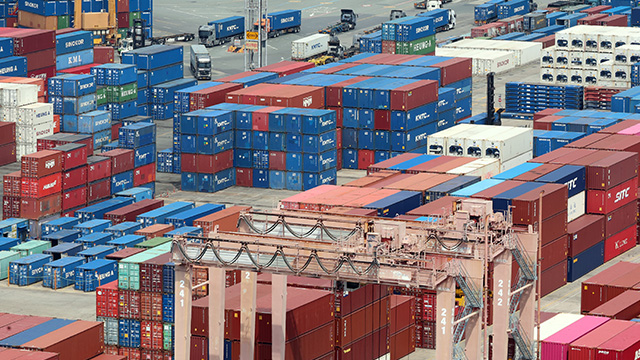
수출은 반도체 등 IT 품목을 중심으로 5.9% 증가했고, 수입은 기계 및 장비, 자동차 등이 늘어 3.9% 증가했습니다.
Exports rose 5.9%, led by IT products such as semiconductors, while imports increased 3.9% due to higher purchases of machinery, equipment, and automobiles.
1분기 명목 GDP는 지난해 1분기 대비 17.1% 성장하면서, 1995년 3/4분기 19.2% 이후 31년 만에 최고치를 기록했습니다.
Nominal GDP in the first quarter grew by 17.1% year-on-year, marking the highest growth rate in 31 years since the 19.2% recorded in the third quarter of 1995.
직전 분기인 지난해 4분기와 비교하면 10.5% 성장했는데, 이는 1976년 1분기(13.0%) 이후 50년 만에 가장 높은 수준입니다.
Compared with the previous quarter, nominal GDP increased by 10.5%, the strongest quarterly gain in 50 years since the first quarter of 1976, when it rose 13.0%.
이에 대해 한국은행은 “국내 물가 상승이 아니라 수출 기업 수익성이 크게 개선된 영향”이라고 설명했습니다.
The Bank of Korea explained that this surge was driven not by domestic inflation but by significantly improved profitability among export-oriented companies.
그러면서 “기업 영업이익 확대는 법인세 증가로 재정 안정뿐 아니라 미래 산업 육성 등 구조개혁 통한 잠재성장률 제고에 필요한 재원으로 활용될 수 있다”며 “내수 진작에 긍정적으로 작용할 수 있다”고 평가했습니다.
The central bank added that higher corporate profits could increase corporate tax revenues, helping not only fiscal stability but also providing resources for structural reforms and future industries, which could ultimately boost potential growth and support domestic demand.
명목 GDP를 실질 GDP로 나눈 값으로 수출입 등까지 포괄하는 종합 물가지수인 GDP디플레이터는 지난해 같은 기간보다 12.9% 상승했습니다.
The GDP deflator, a comprehensive price index that compares nominal GDP with real GDP and includes trade effects, rose 12.9% from a year earlier.
1분기 명목 국민총소득(GNI)도 전 분기보다 11.0% 급증했습니다. Nominal gross national income (GNI) also surged 11.0% from the previous quarter.
명목 국외순수취요소소득이 9조 2천억 원에서 13조 7천억 원으로 늘면서 명목 GDP 성장률(10.5%)을 웃돌았습니다.
Net factor income from abroad increased from 9.2 trillion won to 13.7 trillion won, exceeding the nominal GDP growth rate of 10.5%.
실질 GNI는 9.2% 증가하며 사상 최고치를 기록했습니다. Real GNI climbed 9.2%, reaching the highest level on record.
한국은행은 교역조건 개선과 실질 국외순수취요소소득이 늘면서 실질 GNI 증가율이 실질 GDP 성장률(1.8%)을 큰 폭으로 웃돌았다고 설명했습니다.
The Bank of Korea said the sharp rise in real GNI was due to improved terms of trade and higher real net factor income from abroad, causing it to significantly outpace real GDP growth of 1.8%.
한편, 지난해 우리나라 1인당 GNI는 3만 6,963달러로 전년보다 0.3% 증가했습니다.
Meanwhile, South Korea’s per capita GNI last year reached USD 36,963, up 0.3% from the previous year.
한화 기준으로는 5,257만 원, 증가율은 4.6%로 나타났습니다. In Korean won terms, per capita GNI amounted to 52.57 million won, representing a 4.6% increase.
한은은 “현재와 같은 높은 명목 증가세가 지속되면 올해 중 1인당 GNI가 4만달러에 근접할 것”이라며 “4만달러 달성이 2028년보다 앞당겨질 가능성이 커진 것은 분명하지만, 기업 실적이나 원/달러 환율 향방에 따라 달라질 것”으로 전망했습니다.
The Bank of Korea projected that if the current pace of nominal growth continues, per capita GNI could approach USD 40,000 this year. It noted that reaching the USD 40,000 milestone earlier than the previously expected 2028 is becoming increasingly likely, though the outcome will depend on corporate earnings and the won-dollar exchange rate.
2024년 GDP 성장률은 2.0%에서 2.2%로, 2025년 GDP 성장률은 1.0%에서 1.1%로 각각 변경됐습니다.
The GDP growth rate for 2024 was revised upward from 2.0% to 2.2%, while the 2025 growth rate was adjusted from 1.0% to 1.1%.

